The Year Between: How Intentional Gap Years Are Reshaping What Success Looks Like for Chikore Graduates

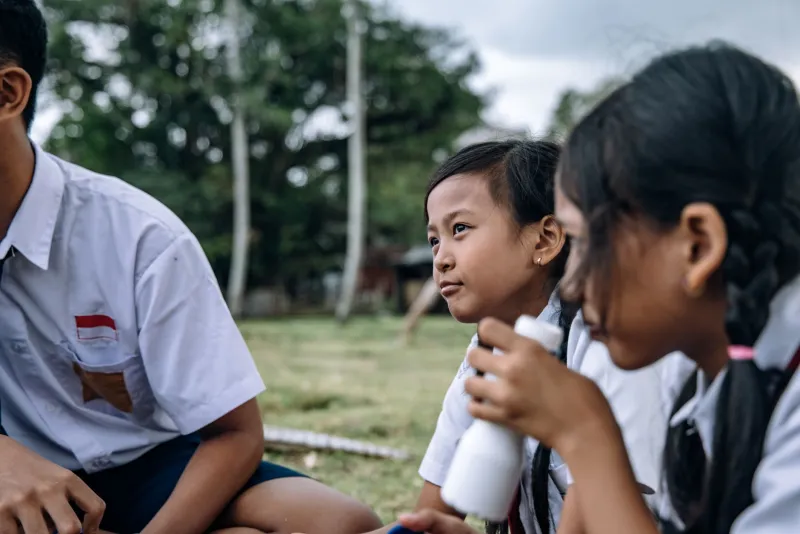
Photo by Photo by Manh Phung on Unsplash on Unsplash
Rethinking the Finish Line
For generations, American high school culture has operated on a fairly rigid script: study hard, earn strong grades, score well on standardized tests, submit college applications in the fall of senior year, and report to campus the following August. Deviation from this timeline has often been treated as a setback—a sign that something went wrong.
That narrative is changing. Across the country, a growing number of high school graduates are choosing to pause before college, not because they failed to gain admission, but because they made a deliberate decision to invest a year in experiences that the traditional academic calendar simply cannot offer. At Chikore High School, this shift is visible in the choices our own graduates are making—and in the remarkable ways those choices are paying off.
What a Gap Year Actually Looks Like
The phrase "gap year" can conjure images of students wandering aimlessly or delaying responsibility. The reality, particularly for students who approach the experience with structure and intention, looks nothing like that.
Consider the range of paths Chikore graduates have pursued during their gap years. One alumna deferred her enrollment at a state university to complete a paid internship with a regional urban planning nonprofit, where she contributed to a housing accessibility study that was later cited in a city council proposal. Another graduate spent eight months volunteering with a conservation program in the American Southwest before returning to enroll in an environmental science program—arriving on campus with field experience that most sophomores had never encountered.
A third student used his gap year to complete a skilled trades apprenticeship, earning certifications in electrical work while also saving money for tuition. He ultimately enrolled in an engineering program with a clearer sense of how theoretical knowledge connects to real-world application than many of his peers would develop for years.
These are not outliers. They are examples of what intentional gap years, designed with purpose and supported by family and school community, can produce.
Universities Are Paying Attention
One of the most common concerns families raise about gap years is whether colleges will view the decision negatively. The evidence suggests the opposite is increasingly true.
Many of the nation's most selective institutions—including Princeton, Harvard, and MIT—have formal programs that encourage newly admitted students to defer enrollment for a year. Princeton's Bridge Year Program, for instance, actively places students in service-learning experiences abroad before they begin their studies. The underlying philosophy is straightforward: students who arrive on campus having navigated unfamiliar environments, managed independent projects, and encountered perspectives outside their immediate experience tend to be more engaged, more resilient, and more academically purposeful.
Admissions officers at a wide range of schools have noted that applicants who can articulate a clear plan for a gap year—rather than simply expressing a desire to "take a break"—demonstrate exactly the kind of self-directed thinking that universities value. The key word is intentional. A gap year without structure or goals is unlikely to impress anyone. A gap year with a clear narrative of growth, learning, and contribution is a compelling part of a student's story.
Designing a Gap Year That Works
For Chikore students and families considering this path, the planning process is as important as the year itself. A meaningful gap year does not happen by accident—it is built.
Start with a question, not a plan. The most productive gap years often begin with a student asking: What do I want to understand about myself or the world that I cannot learn in a classroom right now? That question, honestly answered, tends to point toward a direction.
Establish structure early. Whether through a formal gap year program, a secured internship, a volunteer placement, or a self-designed project, having a framework prevents the year from drifting. Organizations such as AmeriCorps, City Year, and Global Citizen Year offer structured, meaningful placements for recent high school graduates across the United States and internationally.
Set measurable milestones. A student who can articulate what they accomplished—skills developed, projects completed, relationships built, challenges navigated—will be far better positioned to discuss the experience in college interviews and application essays than one who simply describes a sequence of events.
Maintain academic engagement. Some students take an online course, pursue independent reading in a subject area of interest, or complete a certification program during their gap year. This keeps intellectual habits sharp and signals continued academic commitment.
Document the experience. Journals, blogs, portfolios, or even a structured reflection practice help students process what they are learning and create a record they can draw on later.
The Conversation Worth Having at Home
For many families, the harder challenge is not logistics—it is the cultural pressure to follow the conventional timeline. Parents who themselves attended college immediately after high school may find it difficult to endorse a different path for their children, even when they intellectually recognize its value.
It may help to reframe the question. The relevant issue is not whether a student goes to college, but whether they arrive ready to make the most of it. Research consistently shows that students who take structured gap years report higher levels of academic motivation and personal clarity than peers who went directly from graduation to campus. A year invested in growth is rarely a year lost.
At Chikore High School, we encourage families to approach this conversation with openness. If a student expresses interest in a gap year, the most productive response is not immediate approval or dismissal—it is curiosity. Ask them what they envision. Ask what they hope to learn. Ask how they plan to measure the year's success. Their answers will tell you a great deal about whether the instinct reflects genuine readiness or a need for more support in clarifying their direction.
Success Has Never Been a Single Road
Chikore High School's mission is to inspire minds and build futures. That mission does not prescribe a single route. Some of our graduates will walk directly from commencement into college orientation, and they will thrive. Others will take a year to work, explore, serve, or create—and they, too, will thrive, often arriving at college with a depth of experience and a clarity of purpose that accelerates everything that follows.
The most important outcome is not the speed of the journey. It is the quality of the person who arrives at the destination. We are proud to support Chikore graduates on every path that leads them there.