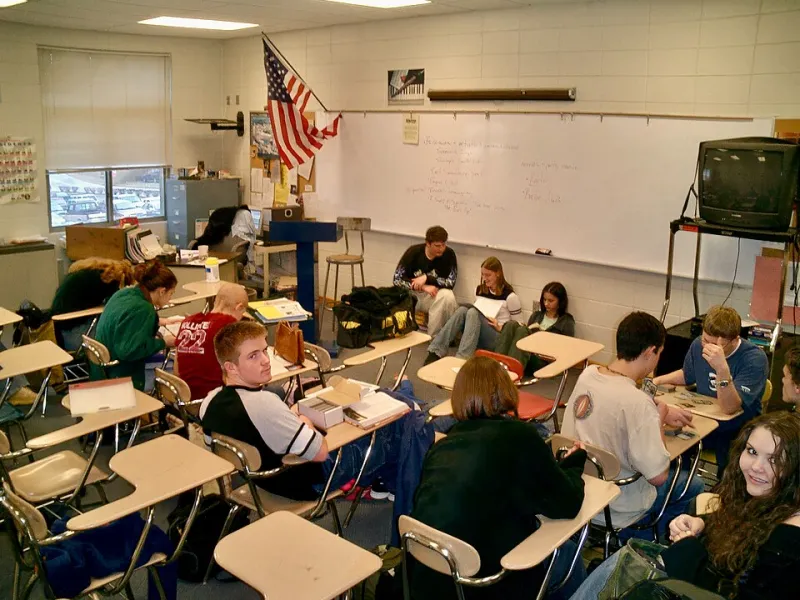
Rest, Reset, Retain: How Strategic Breaks Are Transforming the Way Chikore Students Study
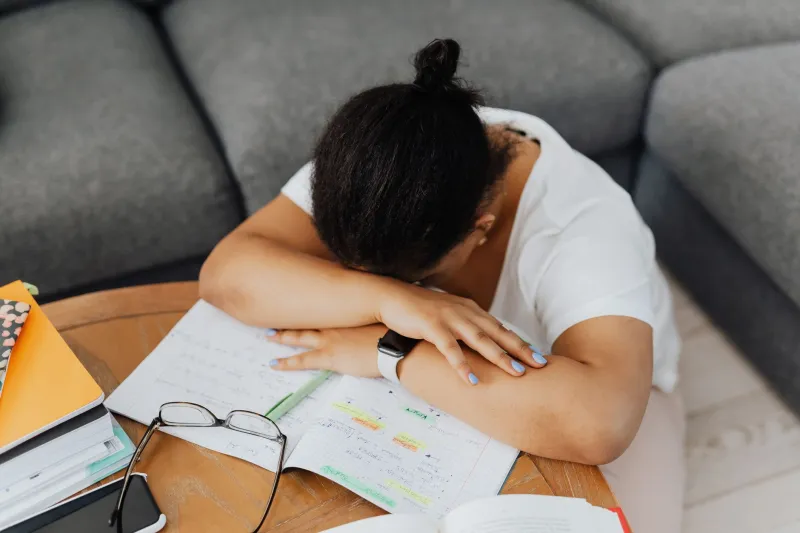
For many high school students across the country, the instinct during exam season is to push harder — longer hours, fewer pauses, more pages covered. Yet a growing body of cognitive science research suggests that this all-or-nothing approach may actually work against students rather than for them. At Chikore High School, a different philosophy is taking hold: that deliberate, well-timed breaks are not a sign of weakness but a cornerstone of genuine academic performance.
What the Research Actually Says
The science behind productive study breaks is more compelling than most students realize. Studies from institutions including MIT and the University of Illinois at Urbana-Champaign have demonstrated that the brain's ability to sustain focused attention diminishes significantly after 45 to 90 minutes of continuous effort. When concentration lapses and students push through regardless, they often enter a state of diminishing returns — reading the same paragraph multiple times without absorbing it, or working through math problems mechanically without real comprehension.
Neuroscientists refer to the brain's "default mode network" — the mental activity that occurs during rest — as a critical component of memory consolidation. In other words, the moments when students step away from their desks may be precisely when the brain is organizing and storing the information it just received.
At Chikore, this research isn't just theoretical. It informs how learning specialists counsel students navigating heavy course loads.
"We talk a lot about the difference between being busy and being productive," says Ms. Renata Okafor, one of Chikore's academic support coordinators. "A student who studies for three hours straight may retain far less than a student who studies in focused blocks with intentional breaks in between. We help students understand that rest is part of the process, not a reward at the end of it."
The Methods Chikore Students Are Using
Several evidence-based techniques have gained traction among Chikore's student body, often introduced through the school's academic advising program and study skills workshops.
The Pomodoro Technique remains one of the most widely adopted. Students work in focused 25-minute intervals — called "pomodoros" — followed by a five-minute break. After completing four intervals, a longer break of 15 to 30 minutes is taken. Many students report that the structured rhythm reduces the anxiety of facing a large study task because it breaks the work into manageable, time-bound segments.
Junior Maya Thornton, who carries a demanding schedule that includes AP Chemistry and AP U.S. History, shared her experience: "Before I started using timed intervals, I would sit at my desk for hours and feel like I was studying, but I wasn't really absorbing anything. Now I set a timer, stay completely focused until it goes off, and then actually step away. My test scores have improved, and I feel a lot less overwhelmed."
Active rest is another concept Chikore's learning specialists emphasize. Not all breaks are created equal. Scrolling through social media or watching short videos — activities that demand passive attention — often fail to give the brain the genuine downtime it needs. Instead, students are encouraged toward breaks that involve light physical movement, such as a short walk, stretching, or even a few minutes of quiet breathing. These activities engage the body without overstimulating the mind.
Sophomore Daniel Reyes discovered this distinction the hard way. "I used to take breaks by going on my phone, and I always felt more tired afterward. My advisor suggested I try walking around the block instead. It sounds simple, but it actually works — I come back to my desk feeling clearer."
Spaced repetition — the practice of reviewing material at gradually increasing intervals over time rather than cramming it all at once — is also woven into the study strategies Chikore promotes. Rather than spending five hours on a subject the night before a test, students are coached to revisit material across multiple shorter sessions spread over several days. This approach aligns with how long-term memory is formed and significantly reduces the cognitive overload associated with last-minute cramming.
The Burnout Factor
Academic burnout is a very real concern for today's high school students. The pressure to maintain high GPAs, prepare for college admissions, and balance extracurricular commitments can create a relentless cycle of stress. Chikore's approach to study breaks is, in part, a direct response to this broader challenge.
"We see students who are genuinely exhausted — not because they aren't capable, but because they haven't been given permission to rest," Ms. Okafor explains. "Part of our role is reframing what responsible, effective studying looks like. It includes sleep. It includes movement. It includes stepping away."
The school's counseling team works in close coordination with academic advisors to identify students who may be exhibiting signs of burnout and to introduce sustainable study habits before performance begins to decline.
How Parents Can Reinforce These Habits at Home
For families, supporting these strategies at home can meaningfully amplify what students are learning at school. A few practical approaches make a significant difference:
- Normalize scheduled breaks. When parents see their student step away from studying, the instinct may be to encourage them to return to their desk. Understanding that breaks are purposeful — not procrastination — changes that dynamic.
- Encourage device-free downtime. During study breaks, suggest a short walk, a healthy snack, or a few minutes of conversation rather than screen time.
- Protect sleep as a non-negotiable. Sleep is when the brain consolidates the day's learning. Staying up until 2 a.m. to squeeze in extra study time typically does more harm than good.
- Help establish a consistent study environment. A designated, organized space signals to the brain that it is time to focus — and makes transitions in and out of study sessions more effective.
Learning Smarter at Chikore
The conversation around academic achievement is evolving. At Chikore High School, the commitment to inspiring minds and building futures means equipping students not just with knowledge, but with the self-awareness and habits to pursue that knowledge sustainably. Strategic study breaks are one piece of a larger puzzle — but they are a piece that is making a measurable difference in how Chikore students learn, perform, and ultimately thrive.
For more information about Chikore's academic support resources, study skills workshops, and counseling services, families are encouraged to visit the Student Resources section of our website or contact the school's academic advising office directly.