The Three Seconds That Change a Classroom
Photo: Harrison Keely, CC BY 4.0, via Wikimedia Commons
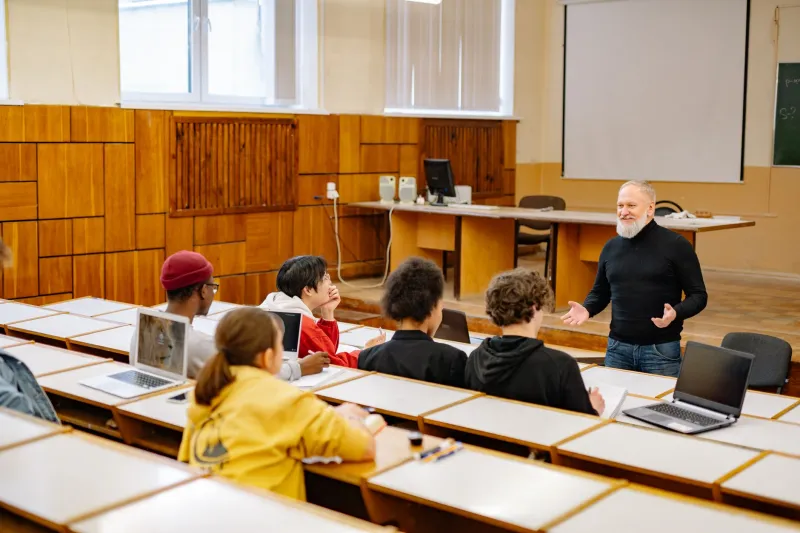
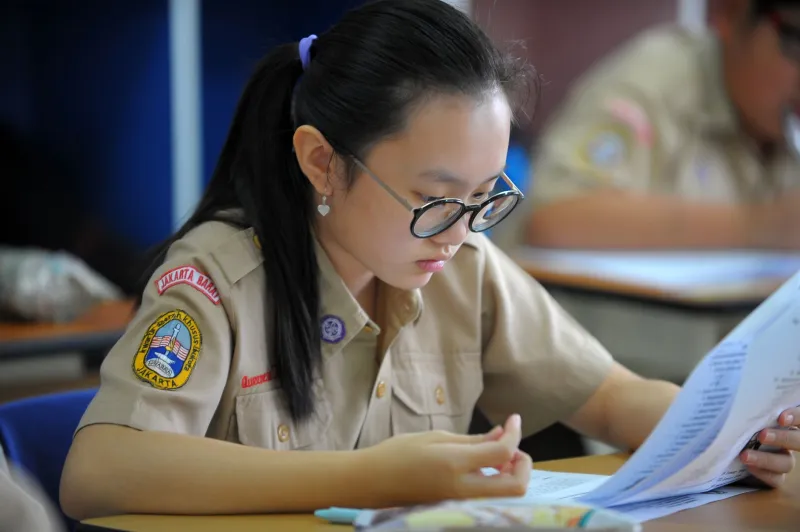
On a recent morning at Chikore High School, a sophomore raises a hand, starts to answer, stops, and begins again. The teacher does not fill the space. She waits. Three seconds pass. The student takes a breath and offers a sharper, more complete thought than the one that first arrived.
That brief pause is not an accident. It is part of a deliberate classroom practice Chikore faculty have been refining during the 2026–27 school year: a structured three-second silence before students respond to a question. The goal is not to slow instruction down. It is to make room for better thinking—and for more voices.
Why Silence Is Part of the Lesson
Classroom research on wait time has long suggested that when teachers extend the pause after a question from one second to three or more, more students volunteer, answers grow longer, and discussion becomes less dominated by the fastest speakers. Chikore teachers have translated that finding into a simple routine. The pause is named, expected, and protected. Students know that the first hand up is not automatically the first voice heard.
The practice also addresses a quieter problem: the impulse response. In many classrooms, the pressure to answer quickly rewards speed over accuracy. A three-second pause creates a small buffer between hearing a question and responding to it. That buffer is where students check their evidence, reconsider a first assumption, or decide that they need to ask a clarifying question instead of guessing.
What It Looks Like in Practice
Chikore teachers use the pause in different ways. In a ninth-grade English seminar, the teacher may pose a question and say, 'Take three,' then watch the clock. In a chemistry class, students might jot a one-sentence prediction before anyone speaks. In a world history discussion, the teacher may ask students to turn to a partner for thirty seconds and then return to the full group. The common thread is that silence is treated as instructional time, not as a gap to be filled.
The approach is not a script. Some teachers use a visible timer; others simply count silently. Some ask students to hold their answers until three hands are raised. What matters is consistency. When students know that a pause is coming, they begin to use it.
For Students Who Usually Stay Quiet
Advocates of wait time argue that it especially helps students who need more processing time: introverts, students with anxiety, multilingual learners, and students who have learned that raising a hand quickly is the safest way to look engaged. A three-second pause gives these students a rehearsal window. It also reduces the chance that a discussion will be won by the first confident voice.
At Chikore, teachers are also experimenting with written pre-thinking. Students may write a single sentence before the discussion begins, then choose whether to read it aloud or paraphrase it. The goal is not to force every student to speak in every class. It is to make participation more thoughtful and less performative.
What Families Can Try at Home
Families can borrow the practice without turning dinner into a seminar. Try asking one open question—'What was the most interesting thing you had to think about today?'—and then wait. Count to three in your head. Resist the urge to rescue the silence with a follow-up or a guess. For many teens, the first answer is a warm-up; the second answer is the real one.
Parents can also model the pause during disagreements. Before responding to a sharp tone, take three seconds. Then name what you heard and ask a question. This is not permissiveness. It is a way to keep a conversation from becoming a contest.
A Small Shift With Long Reach
A three-second pause will not solve every classroom challenge. It will not replace strong curriculum, clear expectations, or good teaching. But it is a low-cost, high-leverage habit. It signals that thinking matters more than speed, that listening is part of participation, and that students who need a moment are not falling behind—they are preparing to contribute.
At Chikore High School, the power of the pause is not the silence itself. It is what students do with it: think, choose, and speak with more intention.