Clicks, Posts, and Consequences: A Family Guide to Managing Your Teen's Digital Identity Before College

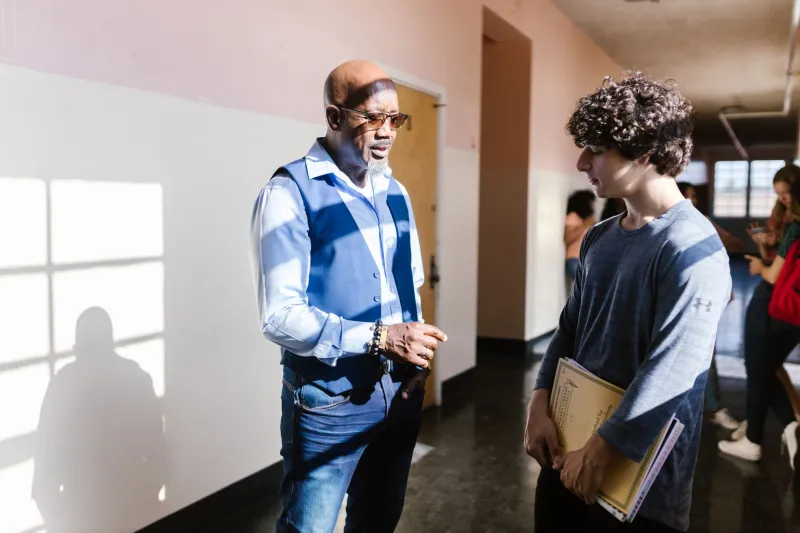
Photo by Photo by Vitaly Gariev on Unsplash on Unsplash
The Internet Never Forgets—And Admissions Officers Know It
There is a quiet but significant shift happening in college admissions offices across the United States. Alongside transcripts, recommendation letters, and personal essays, many admissions counselors are now spending time doing something that might surprise families: searching applicants' names online. According to a survey conducted by Kaplan Test Prep, a notable percentage of college admissions officers reported visiting applicants' social media profiles as part of their review process—and what they find can influence decisions.
For parents of high school students, this reality can feel unsettling. The good news is that awareness is the first step toward action. At Chikore High School, we believe that preparing students for life beyond the classroom means equipping both students and their families with the knowledge to navigate today's digital landscape thoughtfully and strategically.
What Admissions Officers Are Actually Looking At
It is worth understanding what a college admissions officer typically encounters when they search a student's name. The most commonly reviewed platforms include Instagram, X (formerly Twitter), TikTok, LinkedIn, and YouTube. Public posts, comments, shared content, and even profile bios all fall within view.
Admissions officers are not necessarily looking to disqualify students—many are simply trying to get a fuller picture of who the applicant is beyond the application packet. A student who writes passionately about environmental advocacy in their essay, for example, and whose social media reflects genuine engagement with that cause, creates a cohesive and compelling narrative.
Conversely, content that contradicts a student's stated values—or worse, posts that are offensive, discriminatory, or suggest poor judgment—can raise serious red flags. Cases have been documented in which accepted students had their offers rescinded after a social media review revealed problematic content. Employers conduct similar searches. A 2023 CareerBuilder survey found that more than half of employers research candidates on social media before making hiring decisions.
The Digital Footprint Is Larger Than Most Teens Realize
One of the most important conversations parents can have with their teenagers is about the scope of their digital footprint. Many students assume that old posts, deleted accounts, or content shared in private groups is invisible. In practice, screenshots travel, cached pages persist, and usernames tied to email addresses can resurface in unexpected ways.
A useful exercise for families is to sit down together and perform a simple Google search of your teen's full name. What appears on the first page? Are there images, tagged posts, or forum comments that you were not aware of? This exercise is not about surveillance—it is about building awareness and opening dialogue.
Encourage your teen to audit each platform they use. Most social media accounts offer privacy settings that limit who can view content, but privacy settings are not a guarantee. The most reliable filter remains judgment at the point of posting.
Having the Conversation Without Creating a Conflict
Approaching the topic of digital behavior with teenagers requires a degree of care. Teens often experience parental concern about social media as criticism or distrust, which can shut down productive conversation before it begins.
A more effective approach is to frame the discussion around opportunity rather than restriction. Rather than leading with "you need to delete that," consider asking questions: What impression do you think someone who doesn't know you would get from your profile? If a college admissions officer saw this account, what story would it tell about you?
This kind of reflective conversation shifts the dynamic. Instead of a parent issuing directives, the student is invited to think critically about their own choices—a skill that will serve them well throughout their academic and professional lives.
It also helps to acknowledge the genuine value of social media. These platforms are spaces where young people express creativity, build communities, and develop their voices. The goal is not to eliminate a teen's digital presence but to help them shape it intentionally.
Building a Positive Online Presence: Practical Steps for Families
Once the conversation is open, families can take concrete steps together to strengthen a student's digital identity.
Conduct a joint audit. Review each platform your teen uses. Archive or delete content that no longer reflects who they are or that could be misinterpreted out of context.
Create a professional-facing profile. A LinkedIn account, even for high school students, signals maturity and forward-thinking. Encourage your teen to document academic achievements, volunteer work, extracurricular involvement, and any part-time employment.
Encourage purposeful sharing. If your student has a passion—robotics, creative writing, community service, music—social media can be a powerful portfolio. A student who uses Instagram to document a year-long volunteer project is building something far more valuable than a curated feed of social moments.
Separate personal and professional personas thoughtfully. Some students choose to maintain separate accounts: one for close friends and one for a broader, professional audience. This is a reasonable approach, provided the "private" account still reflects sound judgment.
Revisit periodically. A digital audit is not a one-time event. Set a reminder every few months to review content and update profiles as your student's accomplishments and interests evolve.
Digital Citizenship as a Lifelong Skill
At Chikore High School, we view digital citizenship as an extension of the character development that defines our educational mission. The same values we encourage in our hallways—integrity, respect, thoughtfulness, and accountability—apply equally to the spaces our students inhabit online.
The digital world is not separate from real life; it is an increasingly central part of it. Students who learn early to manage their online presence with intention are not just protecting their college prospects—they are developing a habit of self-awareness that will serve them in every chapter of their lives.
The conversation starts at home, and it starts now. We invite every Chikore family to take one step this week: sit down together, open a browser, and see what the world already knows about your student. What you find might surprise you—and what you do next could make all the difference.