Finishing Strong: How Chikore High School Keeps Seniors Motivated When the Finish Line Is in Sight
For many students, senior year begins with a kind of electric anticipation. College applications are submitted, recommendation letters are filed, and the culmination of four years of hard work feels tantalizingly close. But somewhere between the acceptance email and graduation day, something quietly shifts. Motivation fades. Attendance slips. Assignments that once commanded full attention begin to feel irrelevant. Educators have a name for it: the senior slump.
It is more than a cliché. Research in adolescent psychology consistently identifies a measurable dip in academic engagement among high school seniors during the second semester, particularly after college admissions decisions have been finalized. The psychological explanation is straightforward: when a major goal is achieved, the brain's reward system loses its primary driver. Without a new horizon to pursue, even the most disciplined students can find themselves drifting.
At Chikore High School, we take this phenomenon seriously—not as an inevitability, but as a design challenge. The senior year experience has been intentionally structured to counter disengagement, redirect student energy, and reframe the final semester not as a countdown to escape, but as a meaningful bridge to the next chapter.
Understanding Why It Happens
The senior slump is not a character flaw, and it is not laziness. It is a predictable psychological response to goal completion. For students who have spent years optimizing every grade, every activity, and every essay with college admissions in mind, the removal of that singular target creates a motivational vacuum.
Compounding this is what psychologists call "arrival fallacy"—the mistaken belief that reaching a long-anticipated milestone will produce lasting fulfillment. When the acceptance letter arrives and the euphoria fades within days, many seniors are left feeling unexpectedly flat. They achieved what they worked toward, and yet something feels unresolved. That emotional ambiguity, if unaddressed, often manifests as disengagement.
There is also a social dimension. When peers collectively begin to disengage, individual motivation erodes further. Classrooms where students are mentally "already gone" create an atmosphere that even highly motivated students find difficult to resist.
Reframing the Finish Line as a Starting Block
One of the most powerful interventions Chikore employs is a deliberate shift in narrative. Rather than treating graduation as an endpoint, our faculty and counselors consistently frame the final semester as the first chapter of adult life—a period of active preparation rather than passive waiting.
This reframing is not merely rhetorical. It is embedded in the curriculum. Seniors participate in a capstone experience that asks them to identify a challenge or question they genuinely care about and pursue it with the same rigor they applied to academic coursework. These projects are not assigned for a grade in the traditional sense; they are designed to cultivate intrinsic motivation by connecting effort to personal meaning.
When students are working on something they chose—something that reflects who they are becoming rather than what a transcript requires—the dynamic changes entirely. Engagement is no longer contingent on external reward.
Peer Accountability and the Power of Community
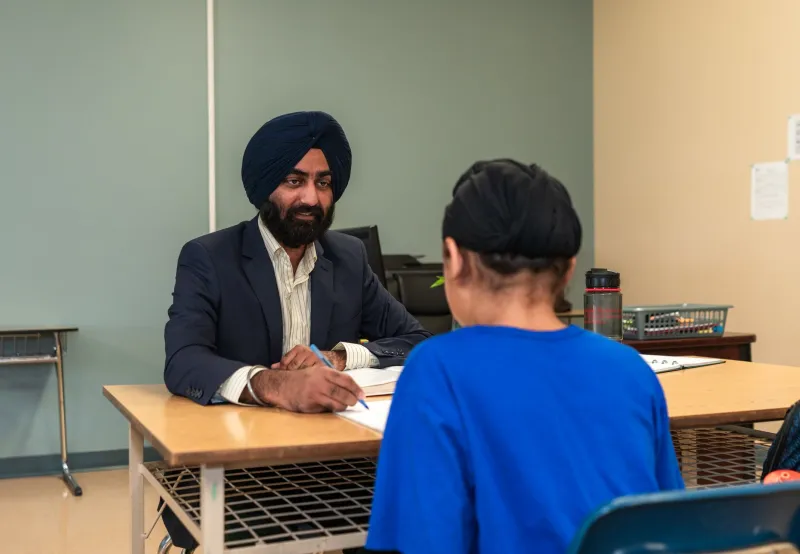
Chikore's approach to senior year also leverages the social forces that can either accelerate disengagement or counteract it. Through structured peer accountability groups, seniors are paired with classmates who share similar post-graduation goals. These small cohorts meet regularly to discuss progress, surface challenges, and hold one another to commitments they set themselves.
The design is intentional. When a student knows that a peer is counting on them to show up—not a teacher, not a parent, but a fellow student—the social contract carries different weight. It normalizes continued effort and creates a micro-culture of mutual investment within the larger senior class.
Faculty advisors support these groups without dominating them, offering guidance when needed while preserving student ownership of the process. This balance between structure and autonomy is central to Chikore's educational philosophy.
Purpose-Driven Learning in the Final Stretch
Across academic departments, Chikore teachers are trained to design senior-year content with a forward-looking lens. Rather than revisiting material already mastered, coursework in the final semester is structured to introduce college-level complexity, real-world application, and genuine intellectual challenge.
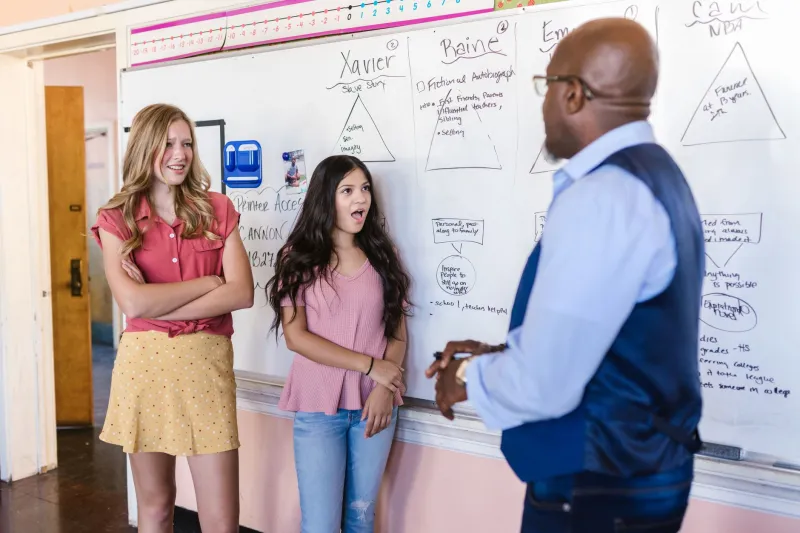
In English classes, seniors engage in long-form analytical writing that mirrors the expectations they will encounter in university seminars. In science and mathematics, project-based units ask students to apply theoretical knowledge to practical problems. In social studies, current events and civic engagement take center stage, connecting classroom learning to the world students are about to enter as voting adults.
This approach sends a clear message: the work of the final semester matters, not because it will appear on a transcript, but because it is building the person who will walk onto a college campus in the fall.
What Families Can Do
Parents and guardians play a meaningful role in either reinforcing or disrupting senior-year momentum. Chikore counselors regularly advise families to resist the temptation to treat the second semester as a reward period where expectations are relaxed entirely. Celebrating the acceptance is entirely appropriate—and encouraged. Abandoning all structure is not.
Conversations at home that focus on what seniors are looking forward to learning, rather than simply where they are going, help sustain forward-facing motivation. Families who express genuine curiosity about their student's capstone work, their intellectual interests, and their personal goals for the year ahead send a powerful signal: this season of life still matters.
The Long View
At Chikore High School, we believe that how a student finishes is as important as how they begin. The habits cultivated in the final semester of high school—follow-through, intellectual curiosity, accountability to community—are precisely the habits that will determine how successfully a student transitions into college and beyond.
The senior slump is real. But it is not inevitable. With the right environment, the right support, and the right invitation to keep growing, seniors discover that the most exciting part of their journey is not behind them. It is just beginning.